Introduction
If you’re following a gluten-free diet, you’ve probably wondered whether oats are actually gluten free. The answer is yes—but with an important exception. While oats are naturally gluten free, they are often exposed to gluten during farming and processing. Choosing the right oats is essential, especially if you have celiac disease or gluten sensitivity.
In this guide, you’ll learn what oats are, how to choose safe gluten-free oats, how to cook them, and the many delicious ways you can use them in your gluten-free kitchen.
Quick Oat Facts
| Feature | Information |
|---|---|
| Naturally Gluten Free | ✅ Yes |
| Safe for Celiac Disease | Yes, when certified gluten free* |
| Taste | Mild, slightly nutty |
| Texture | Creamy when cooked |
| Best Uses | Oatmeal, baking, granola, cookies, muffins |
| Nutrition Highlights | Fibre, protein, iron, magnesium, zinc, B vitamins |
*Some people with celiac disease may also react to avenin, a naturally occurring protein found in oats. If you’ve recently been diagnosed, speak with your healthcare provider before introducing certified gluten-free oats.
❤️ Why You’ll Love Oats
- Delicious in both sweet and savoury recipes
- Naturally gluten free
- Excellent source of dietary fibre
- Rich in protein, iron, and magnesium
- Budget-friendly pantry staple
- Extremely versatile for cooking and baking
- Easy to prepare
- Help create moist, tender baked goods
🌾 What Are Oats?
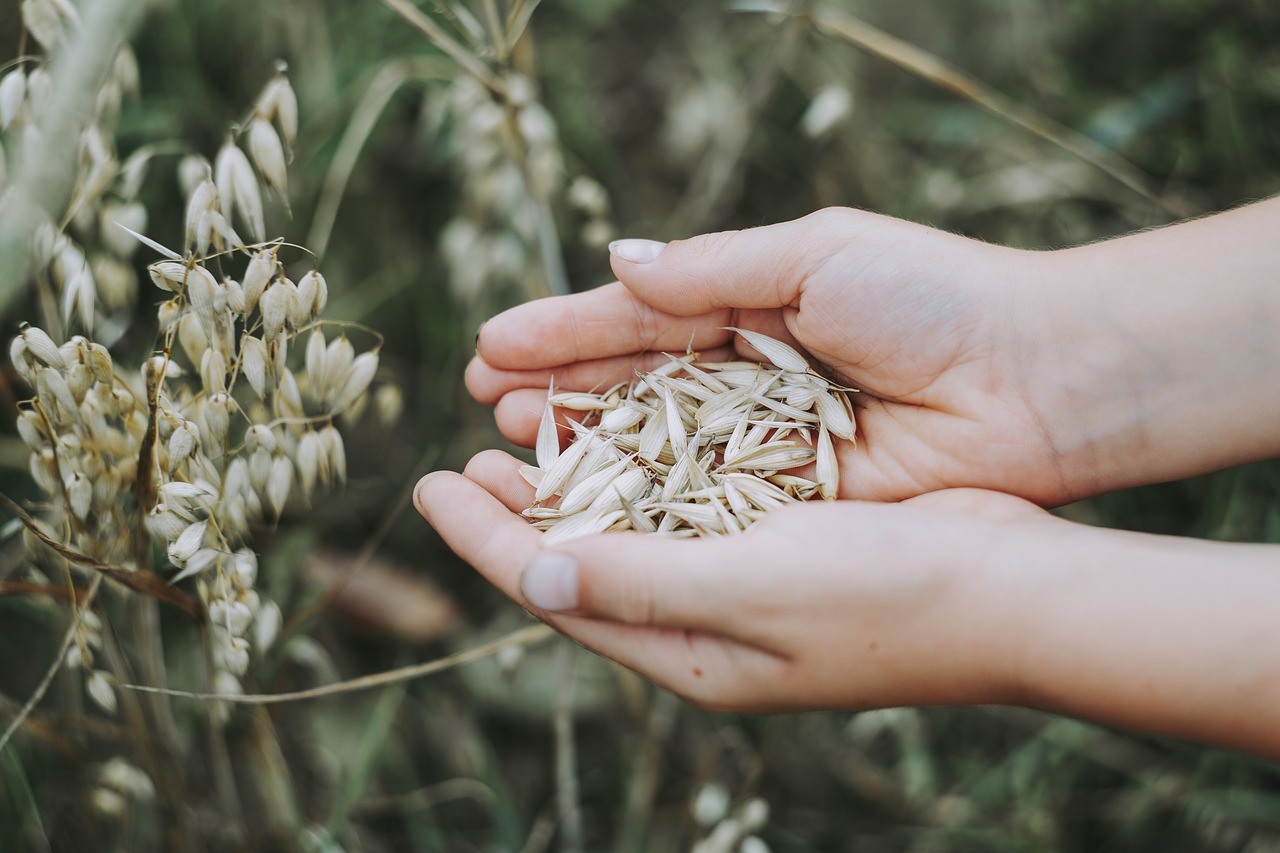
Oats are one of the world’s most popular whole grains and have been enjoyed for centuries as a hearty breakfast and versatile baking ingredient. They come from the oat plant (Avena sativa) and are naturally rich in fibre, protein, vitamins, and minerals.
Because of their mild flavour and satisfying texture, oats are used in everything from warm bowls of oatmeal to cookies, muffins, granola, smoothies, crisp toppings, and even homemade veggie burgers.
🌾 Are Oats Naturally Gluten Free?
Yes! Oats do not naturally contain gluten, the protein found in wheat, barley, and rye.
However, oats are frequently exposed to gluten-containing grains during growing, harvesting, transportation, or processing. This is known as cross-contact, and it’s why regular oats are not considered safe for people with celiac disease.
To safely enjoy oats on a gluten-free diet, choose products that are clearly labelled Certified Gluten Free.
🛒 How to Choose Gluten-Free Oats
When shopping for oats:
✔ Look for a Certified Gluten-Free logo.
✔ Read the ingredient list carefully.
✔ Avoid products containing wheat, barley, rye, or malt ingredients.
✔ Purchase from reputable manufacturers that follow dedicated gluten-free production practices.
If you’re unsure about a product, contact the manufacturer for more information about their testing and processing procedures.
😋 What Do Oats Taste Like?
Oats have a mild, slightly nutty flavour with a naturally creamy texture when cooked. Their neutral taste makes them incredibly versatile, pairing well with both sweet and savoury ingredients.
Sweet pairings include:
- Maple syrup
- Honey
- Cinnamon
- Apples
- Bananas
- Fresh berries
Savoury pairings include:
Roasted vegetables
Cheese
Fresh herbs
Eggs
👩🍳 How Do You Cook Oats?
Different types of oats require different cooking times.
Rolled Oats (Old-Fashioned Oats)
- 1 cup oats
- 2 cups water or milk
- Cook 5–7 minutes
Perfect for everyday oatmeal and baking.
Quick Oats
- 1 cup oats
- 2 cups water or milk
- Cook 1–3 minutes
Ideal for busy mornings and quick recipes.
Steel-Cut Oats
- 1 cup oats
- 3 cups water
- Cook 20–30 minutes
These have a heartier texture and nutty flavour.
Overnight Oats
Mix rolled oats with milk or yogurt and refrigerate overnight for a quick no-cook breakfast.
🍽️ Easy Ways to Enjoy Gluten-Free OatsCertified gluten-free oats are one of the most versatile ingredients in a gluten-free kitchen.
Breakfast
- Oatmeal
- Overnight oats
- Smoothie bowls
Baking
- Muffins
- Cookies
- Pancakes
- Granola
- Fruit crisps
Cooking
Crispy toppings for casserol
Homemade veggie burgers
Meatballs
Meatloaf
🥡 Storage
Store oats in an airtight container in a cool, dry pantry away from moisture.
Oat flour: best stored in the refrigerator or freezer to maintain freshness
Rolled oats: up to 12 months
Quick oats: up to 12 months
Steel-cut oats: up to 18 months
🍳 Kitchen Skills
Kitchen Skills
Choosing the Right Oats for Every Recipe
Not all oats are the same. Understanding the different varieties can help you achieve the best results in your cooking and baking.
- Rolled oats (old-fashioned oats): Great for cookies, muffins, granola, and oatmeal.
- Quick oats: Softer and cook faster, making them ideal for pancakes, muffins, and quick breakfasts.
- Steel-cut oats: Less processed with a chewy texture that’s perfect for hearty breakfasts but not usually suitable for baking without recipe adjustments.
- Oat flour: Finely ground oats that add moisture and a mild flavour to many gluten-free baked goods.
Choosing the right type of oat helps improve both texture and cooking time.
💡 Tips from The Gluten Free Oven
- Always purchase certified gluten-free oats if you have celiac disease or gluten sensitivity.
- Store oats in an airtight container to keep them fresh.
- Label containers clearly if your household also uses regular oats.
- Oats absorb moisture easily, so keep them in a cool, dry pantry.
- If trying oats for the first time after a celiac diagnosis, introduce them gradually and monitor how you feel.
❓ Frequently Asked Questions
Are oats naturally gluten free?
Yes. Oats naturally do not contain gluten, but they are often contaminated during processing unless they are certified gluten free.
What does “certified gluten free” mean?
Certified gluten-free products have been produced and tested to meet strict gluten standards established by recognized certification programs.
Can I use regular oats in gluten-free baking?
No. Always use certified gluten-free oats or certified gluten-free oat flour when preparing gluten-free recipes.
Are oat flour and rolled oats interchangeable?
No. Oat flour is finely ground and behaves differently in recipes than whole rolled oats.
🍽️ Try These Oat Recipes
🛒 Don’t Have Gluten-Free Oats on Hand?
❤️ From My Kitchen to Yours
Learning about gluten-free ingredients can feel overwhelming at first, but understanding which foods are naturally gluten free—and which require a little extra attention—helps make everyday cooking much easier. I hope this guide gives you the confidence to choose oats safely so you can enjoy all of your favourite gluten-free recipes.
❤️ Related Articles
Educational Articles
🍎 More Recipes You’ll Love
If you enjoyed this article, you might also like these gluten-free favourites from The Gluten Free Oven: