Introduction
If you’re new to gluten-free baking, standing in the flour aisle can feel overwhelming. Almond flour, oat flour, sorghum flour, rice flour—the options seem endless, and each one behaves differently in recipes.
The good news is that once you understand the strengths of each flour, choosing the right one becomes much easier. Whether you’re baking cookies, thickening soup, or making homemade bread, knowing which flour works best can make all the difference.
❤️ What You’ll Learn In This Article
✔ The most common gluten-free flours
✔ What each flour tastes like
✔ Which recipes each flour works best in
✔ Tips for baking with gluten-free flour blends
✔ Common mistakes to avoid
Why You Usually Need More Than One Flour
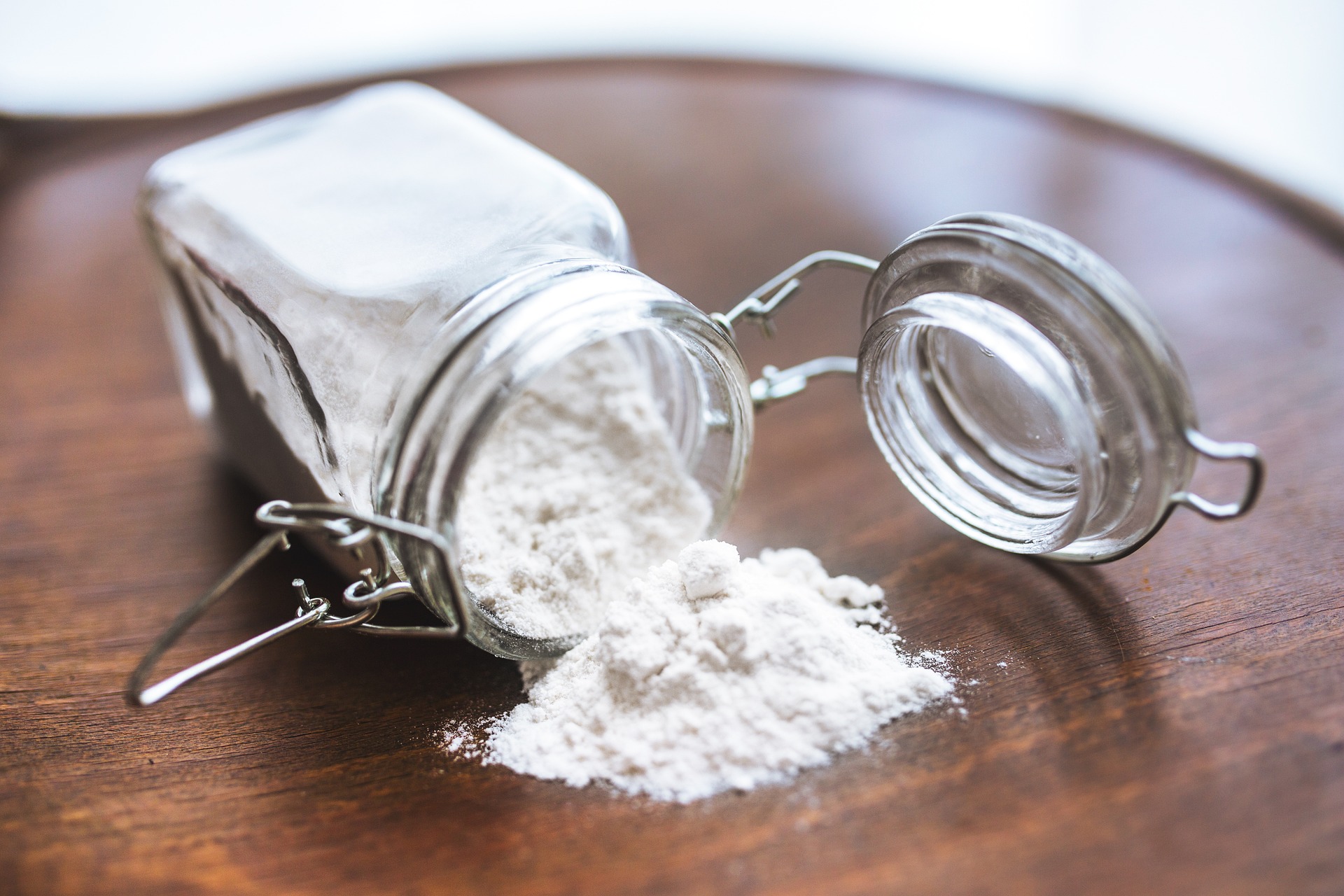
Unlike traditional wheat flour, most gluten-free flours don’t perform well on their own. Each flour has different strengths, and many gluten-free recipes combine several flours to create the best texture and flavour.
For example, one flour may add structure, another softness, and another moisture. That’s why many gluten-free baking recipes—including several here at The Gluten Free Oven—use flour blends instead of relying on a single flour.
Popular Gluten-Free Flours
Almond Flour
Almond flour is made from finely ground blanched almonds and has a naturally sweet, nutty flavour.
Best for:
- Muffins
- Cakes
- Cookies
- Quick breads
Good to know:
Because it’s high in healthy fats, almond flour creates moist baked goods but can make recipes heavier if used on its own.
Coconut Flour
Made from dried coconut meat, coconut flour is one of the most absorbent gluten-free flours available.
Best for:
- Pancakes
- Muffins
- Quick breads
- Low-carb baking
Good to know:
A little goes a long way. Coconut flour absorbs a surprising amount of liquid, so it usually can’t be substituted directly for other flours.
Rice Flour
Rice flour is one of the most common ingredients in gluten-free baking blends. It has a mild flavour and comes in both white and brown varieties.
Best for:
- Flour blends
- Sauces
- Soups
- Coatings
- Homemade noodles
Good to know:
Rice flour adds structure but can sometimes create a slightly gritty texture if used by itself.
Oat Flour
Oat flour is made by grinding oats into a fine powder. It has a mild, slightly sweet flavour that works beautifully in baking.
Best for:
- Muffins
- Cookies
- Pancakes
- Quick breads
Good to know:
If you have celiac disease, be sure to purchase certified gluten-free oats, as regular oats may be cross-contaminated during processing.
Buckwheat Flour
Despite its name, buckwheat is completely unrelated to wheat and is naturally gluten-free.
Best for:
- Pancakes
- Rustic breads
- Crepes
- Muffins
Good to know:
Buckwheat has a stronger, earthy flavour than many other gluten-free flours, so it’s often blended with milder flours.
Sorghum Flour
Sorghum flour has a light texture and mild flavour, making it one of the closest gluten-free alternatives to wheat flour.
Best for:
- Bread
- Cakes
- Cookies
- Flour blends
Good to know:
Many gluten-free bakers use sorghum flour as one of the primary ingredients in homemade flour blends.
Chickpea Flour
Also called gram flour or besan, chickpea flour is made from ground chickpeas.
Best for:
- Flatbreads
- Savoury pancakes
- Pakoras
- Quiches
Good to know:
Its slightly nutty flavour makes it a wonderful choice for savoury recipes but can be used in sweet recipes as well.
🍳 Kitchen Skills
How to Choose the Right Gluten-Free Flour
One of the biggest mistakes new gluten-free bakers make is assuming all gluten-free flours can be used interchangeably. Each flour has its own unique texture, flavour, and baking properties, so choosing the right one can make a big difference in the finished recipe.
Here are a few general guidelines:
- Almond flour adds moisture and richness to cakes, muffins, and cookies.
- Coconut flour absorbs a large amount of liquid, so recipes usually require extra eggs or other moisture.
- Rice flour has a mild flavour and is commonly used in gluten-free flour blends.
- Oat flour creates soft, tender baked goods and works especially well in muffins, pancakes, and cookies.
- Sorghum flour provides a mild flavour and is excellent for breads and flour blends.
- Chickpea flour is best suited for savoury recipes such as flatbreads, fritters, and coatings.
When you’re just getting started with gluten-free baking, it’s often easiest to begin with recipes that have been specifically developed for a particular flour or a tested gluten-free flour blend. This helps ensure consistent results while you become familiar with how each flour behaves.
💡 Tips from The Gluten Free Oven
- Buy smaller bags when trying a new flour for the first time until you know you’ll use it regularly.
- Label homemade flour blends with the date they were mixed so you can keep track of freshness.
- Store nut-based flours, such as almond flour, in the refrigerator or freezer to help prevent them from going rancid.
- Give flour bags a gentle shake before measuring, as ingredients can settle during storage.
- Measure gluten-free flours by spooning them into your measuring cup and leveling them off rather than scooping directly from the bag. This helps produce more consistent baking results.
❓ Frequently Asked Questions
Can I substitute gluten-free flour one-for-one with regular flour?
Usually not. Most gluten-free flours have different textures and absorb liquids differently. Unless a recipe specifically calls for a one-to-one gluten-free flour blend, substitutions may require additional adjustments.
Which gluten-free flour is best for baking?
There isn’t a single “best” flour. Many recipes combine several gluten-free flours to achieve the right balance of texture, flavour, and structure.
Do gluten-free flours expire?
Yes. Whole-grain and nut-based flours contain natural oils that can become rancid over time. Always check the best-before date and store them according to the package directions.
Do I need xanthan gum?
Many gluten-free baking recipes benefit from xanthan gum because it helps replace the elasticity that gluten normally provides. Some commercial gluten-free flour blends already include it, while others do not.
🍽️ Try These Flour Blend Recipes
Ready to put your gluten-free baking skills to the test? Try out these recipes from The Gluten Free Oven:
- Gluten-Free Flour Blend for Muffins
- All Purpose Gluten-Free Flour Blend
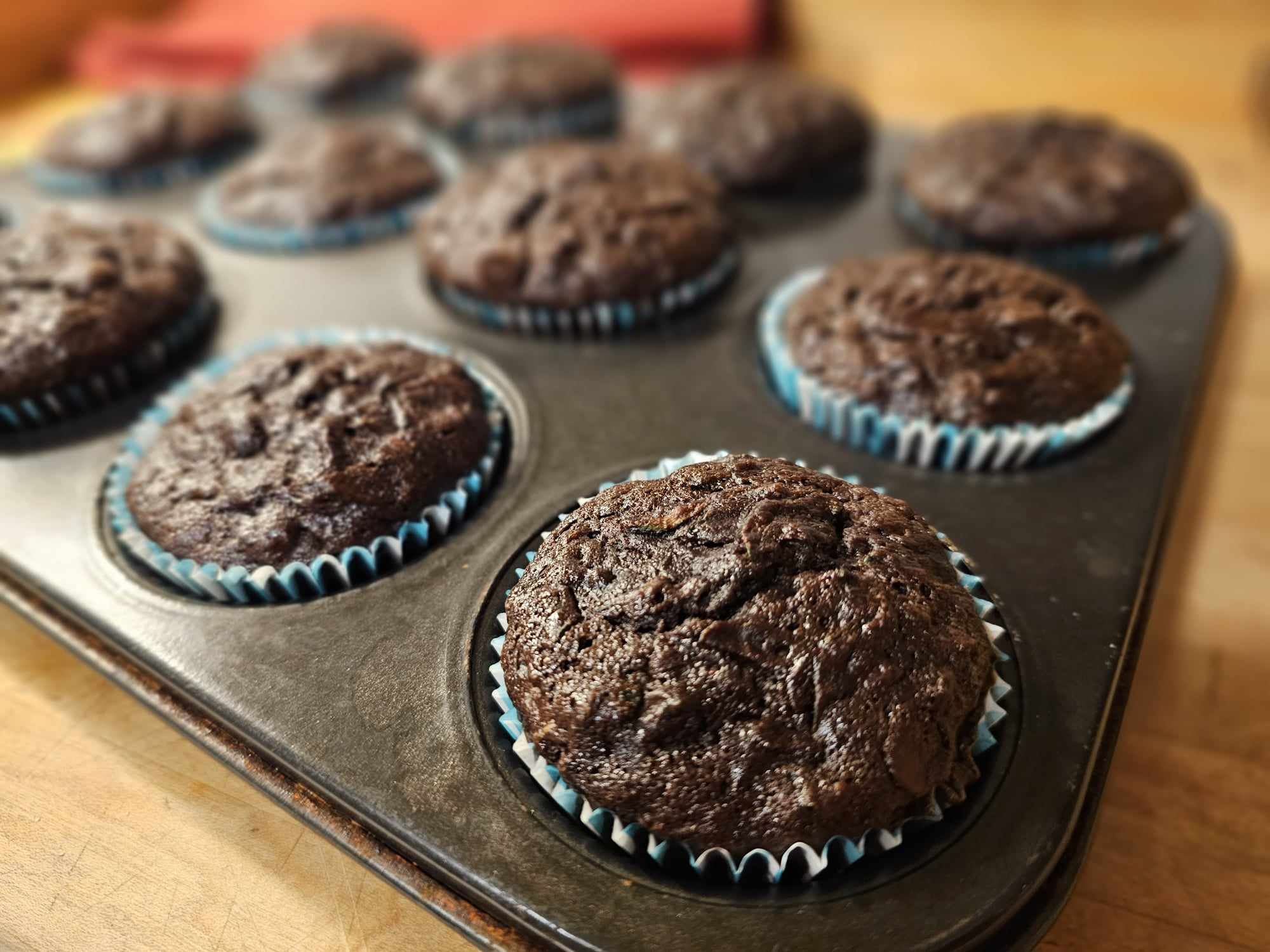
- chocolate-zucchini-muffins
- Banana Cinnamon Muffins
🛒 Don’t Have Xanthan Gum on Hand?
❤️ From My Kitchen to Yours
Learning about gluten-free flours can seem intimidating at first, but don’t let the variety discourage you. Every flour brings something unique to your recipes, and experimenting is part of the fun. Before long, you’ll discover which combinations work best for your favourite baked goods and family meals. I hope this guide gives you the confidence to explore new ingred
❤️ Related Articles
🍎 More Recipes You’ll Love
If you enjoyed this article, you might also like these gluten-free favourites from The Gluten Free Oven: