
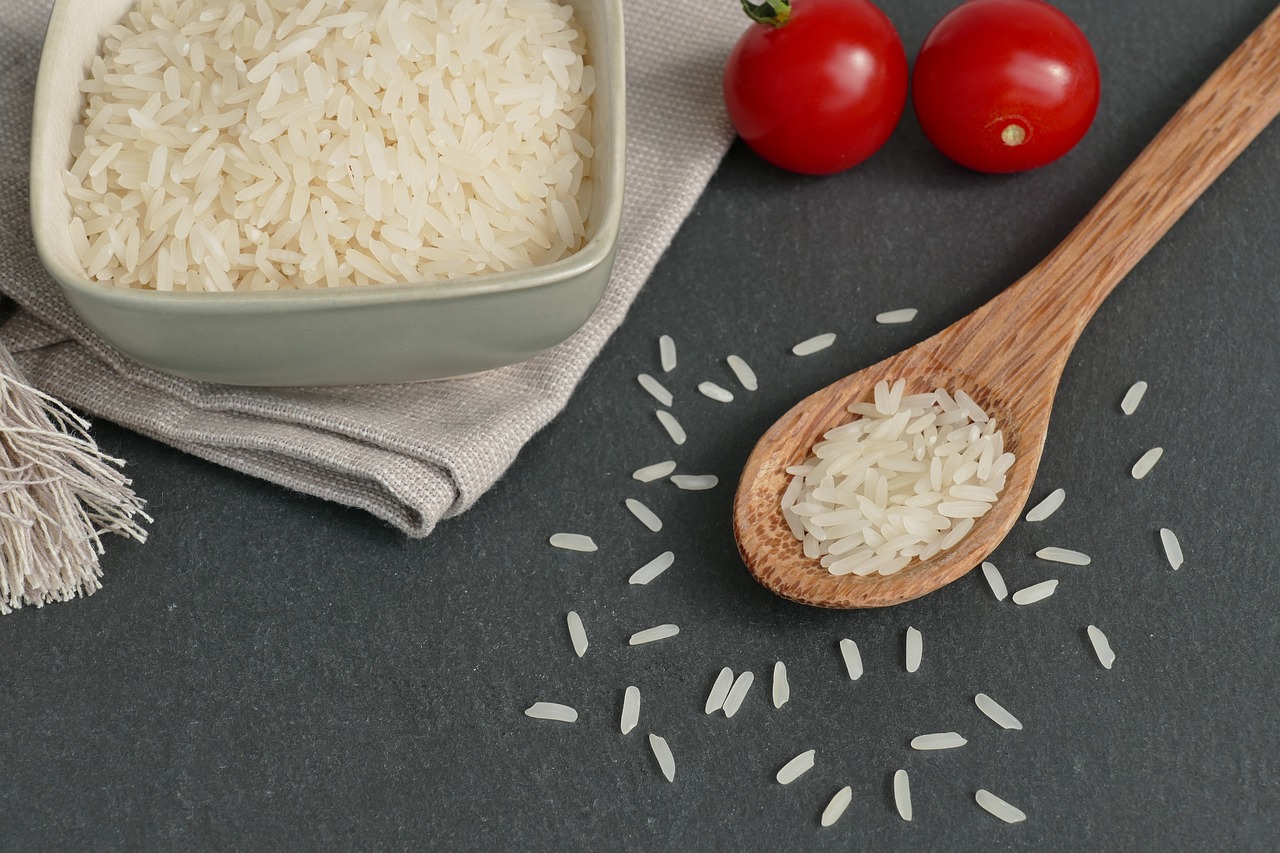
Basmati rice, with its distinctive aroma and delicate, elongated grains, is a staple in many cuisines around the world. Whether you’re a seasoned chef or a cooking novice, achieving perfectly cooked basmati rice every time is an essential skill to have in your culinary arsenal. In this comprehensive guide, we’ll walk you through the steps to cook flawlessly tender and aromatic basmati rice, along with some creative ideas to elevate its flavors. Let’s dive in!
Choosing the Right Basmati Rice:
Before embarking on your culinary journey, it’s important to select the right type of basmati rice. Look for long-grain varieties that boast a fragrant aroma and slender grains.
Rinsing and Soaking:
Rinsing basmati rice under cold water is a crucial step to remove excess starch and prevent clumping. Gently agitate the rice with your fingers while rinsing until the water runs clear. Soaking the rice for 30 minutes to an hour before cooking further ensures evenly cooked grains. If I’m in a hurry, I sometimes skip soaking the rice.
The Perfect Cooking Technique:
The rice-to-water ratio for cooking basmati rice can vary slightly depending on your preferred cooking method and the texture you want to achieve. Here are the general guidelines for the stovetop method and the rice cooker method:
For stovetop cooking, use a 1:1.5 or 1:2 ratio of rice to water. My favorite ration is 1:2 rice to water. The result is a more tender grain. Combine the rinsed and drained rice with water in a pot, bring to a boil, then lower the heat to a simmer, cover, and cook for 15-18 minutes. Allow the rice to sit undisturbed for another 5-10 minutes after the pot has been removed from the heat, to let the residual steam finish cooking the grains. Alternatively, a rice cooker provides consistent results with minimal effort. I enjoy the ease of my rice cooker. I use the rice setting on my instapot.
- Stovetop Method:
- For regular basmati rice: Use a 1:2 ratio of rice to water. That means for every cup of rice, add 2 cups of water.
- For firmer rice (like for biryanis or pilafs): Use a 1:1.5 ratio of rice to water.
- Rice Cooker Method:
- Follow the manufacturer’s instructions for your specific rice cooker. In most cases, the rice cooker will have pre-programmed settings for white rice, and you can simply add the rice and water according to the provided measurements. I use a 1:2 rice to water ration in my Instapot.
For optimal results, it’s always a good practice to measure the rice and water accurately and then adjust your method based on your previous experiences and preferences.
It’s important to note that the quality of your rice and your personal preference also play a role. Some people prefer their rice slightly drier, while others prefer it softer and stickier. Adjust the water quantity accordingly based on your taste and the specific recipe you’re making.
Remember that the soaking time can also influence the water absorption, so if you’re soaking the rice before cooking, you might need slightly less water than if you were cooking rice without soaking.
Fluffing and Serving:
After the resting period, use a fork to gently fluff the rice, separating any clumps. Basmati rice is now ready to grace your plate. Pair it with curries, stir-fries, grilled meats, or enjoy it as a standalone dish.
Frequently Asked Questions (FAQs):
- Can I use cold water for soaking? Yes, using cold water is recommended as it prevents the rice from becoming mushy during soaking.
- What’s the ideal soaking time? Soak the rice for 30 minutes to an hour for optimal results.
- How do I prevent rice from sticking to the pot? Ensuring proper rinsing and using a non-stick pot can help prevent sticking. You can also try stirring in a teaspoon of water before boiling.
Exploring Flavor Variations:
Transform your perfectly cooked basmati rice with these enticing flavor variations:
- Fragrant Saffron-Infused Basmati Rice: Add a pinch of saffron strands to the soaking water for a luxurious, aromatic twist.
- Zesty Lemon and Herb Basmati Rice: Mix in lemon zest, chopped fresh herbs, and a squeeze of lemon juice for a refreshing burst of flavor.
- Spiced Coconut Basmati Rice: Cook the rice with coconut milk and a medley of spices like cinnamon, cardamom, and cloves for a delightful fusion of tastes.
Ingredients:
- Basmati rice
- Water
- Salt (optional)
Tools:
- Medium-sized pot with a tight-fitting lid
- Fork or a rice paddle
Instructions:
- Rinse the Rice:
- Measure the desired amount of basmati rice and place it in a fine-mesh strainer or colander.
- Rinse the rice under cold water, gently agitating it with your fingers, until the water runs clear. This helps remove excess starch and prevents clumping.
- Soak the Rice (Optional):
- Soaking the rice can help achieve fluffier grains. Place the rinsed rice in a bowl and cover it with water. Let it soak for 30 minutes to 1 hour. Drain the soaked rice before cooking.
- Measure Water:
- Use the appropriate rice-to-water ratio based on your desired texture (1:2 for regular, 1:1.5 for firmer rice). For example, if you’re cooking 1 cup of rice, use 2 cups of water for regular rice or 1.5 cups of water for firmer rice.
- Combine Rice and Water:
- In a medium-sized pot, add the rinsed and drained rice along with the measured water. Optionally, add a pinch of salt to enhance the rice’s flavor.
- Bring to a Boil:
- Place the pot over high heat and bring the water to a rolling boil. Stir the rice gently to ensure even cooking.
- Simmer and Cover:
- Once the water boils, reduce the heat to low. Place a tight-fitting lid on the pot to trap the steam. Allow the rice to simmer for 15-18 minutes (adjust the time based on your rice’s variety and soaking duration).
- Rest and Steam:
- Turn off the heat after the cooking time is up. Leave the pot covered and undisturbed for an additional 5-10 minutes. This resting period allows the residual steam to finish cooking the rice and fluff up the grains.
- Fluff and Serve:
- Remove the lid and use a fork or rice paddle to gently fluff the rice, separating any clumps. The rice is now ready to be served.
Tips:
- Avoid peeking under the lid during cooking and resting, as this can release steam and affect the cooking process.
- If you’re cooking larger quantities of rice, you may need to adjust the cooking time slightly.
- For extra flavor, you can replace some of the water with broth or coconut milk.
- Experiment with different soaking times to achieve your preferred rice texture.
With this stovetop method, you’ll be able to consistently prepare delicious, perfectly cooked basmati rice that complements a wide range of dishes.